
Imagine the moment your inbox dings with a high-priority notification. It is an invitation for a high-stakes Business Review meeting scheduled for next week, and you have been selected as the lead presenter. In that split second, a complex cocktail of nerves and excitement takes over. You recognize this immediately for what it is: a rare window of visibility and a chance to make a tangible impact on the senior leadership team’s perception of your work.
You spend the next seven days in a state of hyper-focus. You prepare tirelessly, staying late to ensure every data point is verified and every transition is seamless. Every potential “curveball” question has a researched answer waiting in your notes, and every slide is polished to a professional sheen. By the time the meeting morning arrives, you have rehearsed the flow until it feels like second nature.
On the day of the presentation, you step into the room (or the virtual call) and deliver exactly what you practiced. You hit your marks. You cover every bullet point with clarity. When the session concludes, the leadership team offers their genuine appreciation, nodding in approval and telling you that you did a great job. Finally, the tension in your shoulders begins to dissipate. Your nervous system settles, and the butterflies that have been fluttering in your stomach for a week finally go to rest.
The Ignored Feedback
A short while later, once the adrenaline has completely faded, a different sensation begins to emerge. A quiet, persistent voice begins to speak inside your head. It doesn’t focus on the applause or the polite “thank you” emails. Instead, it starts to point out the subtle opportunities you missed. It suggests a more elegant way you could have explained a specific data trend. It reminds you of a more impactful, concise way you could have handled a particular question from the Director.
Often, we label this feeling as “regret” or an “oopsy” moment. We tend to dismiss it as post-project jitters or the natural perfectionism that comes with being a high-achiever. We tell ourselves, “The boss was happy, so why am I dwelling on this?”
In reality, the most important critic and the most accurate feedback-giver for your work is you. Your manager or your peers will offer their thoughts based on the result they saw, but they didn’t see the intent you had in your mind. They offer a filtered perspective, often softened by professional politeness. The most immediate, honest, and “unfiltered” evaluation comes from within.
The points that your inner voice highlights are not signs of failure; they are the blueprints for your next level of growth. They are real, actionable enhancements that you can work on for the future. Listening to that voice clearly—and, more importantly, listening to it without judgment—is what allows you to become a better version of yourself the next time you step into the spotlight.
When Is a Task Truly Finished?
In the fast-paced world of management, we often move from one task to the next with breathless speed. We treat the “Finish Line” as the moment we hit ‘send’ or ‘stop sharing.’ However, as a leader, it is vital to remember that a task is not actually completed the moment the slides are closed or the project goes live.
A task is truly finished only once it has passed through a complete Cycle of Closure, which includes:
- Acknowledgment: Recognizing the effort put in.
- Internal Feedback: The honest debrief with oneself.
- External Recognition: The validation from the organization.
The first and most vital piece of this cycle is your own internal review. When you ignore that inner voice, you are essentially throwing away the most customized coaching session you will ever receive. Instead of dismissing that inner voice as “overthinking” or “anxiety,” you should treat it as a formal, high-level debriefing session.
If your leaders say it was “Great,” but your inner voice says it was “Good, but could be sharper,” trust the inner voice. That is where the “Extraordinary” version of you lives.
Moving from Self-Criticism to Self-Coaching
The challenge most of us face is that our inner voice often sounds like a critic rather than a coach. To bridge this gap, we must change the “How” of our internal dialogue. A critic tells you what you did wrong; a coach tells you how to do it better next time.
Shutterstock
Action Steps for Your Next Milestone:
- Capture the “After-Voice” Immediately: Our memories are surprisingly short when it comes to subtle nuances. Within an hour of finishing a major task—while the experience is still “warm”—find a quiet space. Write down those “I should have done it differently” thoughts. Do not edit them; just get them on paper.
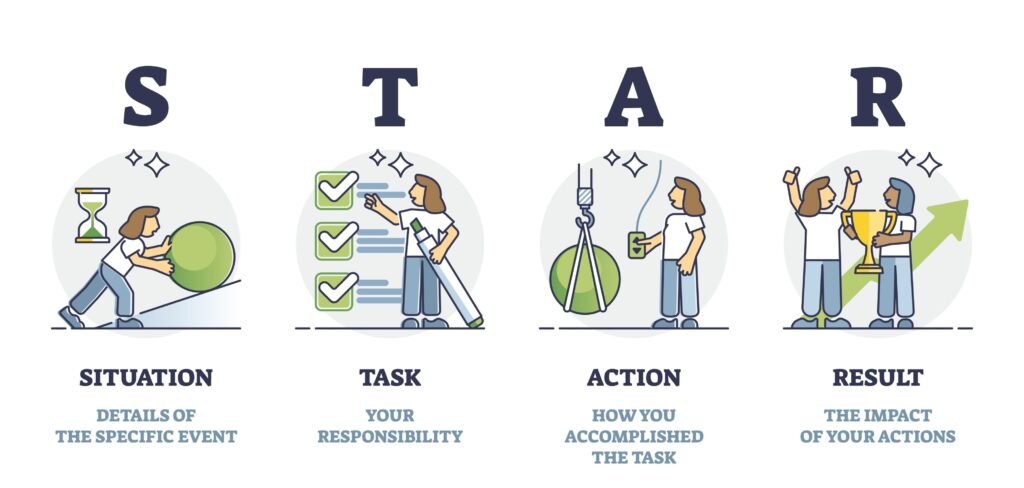
- Translate Regret into Data Points: Take those thoughts and categorize them. If you felt you rambled on slide five, the data point isn’t “I am a bad speaker”; the data point is “Next time, I need a transition sentence for slide five.” Use these as specific “Actions” to improve your next cycle using the STAR method (Situation, Task, Action, Result).
- The Self-Awareness Calibration: Compare your internal notes with the external feedback you receive from your leaders. If they loved the presentation but you identified three areas for improvement, you are demonstrating a high level of self-awareness. This is a trait shared by the most successful leaders—they are never satisfied with “good enough” because they are constantly calibrating against their own high standards.
- Practice the Adjustments: Do not wait for the next “big” presentation to test your findings. If your inner voice suggested a better way to summarize a point, try that summary in a small team meeting the next day. Build the muscle memory of improvement in low-stakes environments so it is ready for the high-stakes ones.
Conclusion
We spend so much of our professional lives seeking validation from others. We want the promotion, the positive performance review, and the praise from the boardroom. While those things are important for our careers, they are often lagging indicators of our growth.
The leading indicator of your growth is that quiet voice that speaks to you in the car ride home or in the quiet moments after a big win. That voice is your “Internal Mentor.” It knows your true potential better than anyone else because it knows exactly what you are capable of achieving.
By making a deliberate note of the feedback your inner voice provides and actively practicing those adjustments, you ensure that your professional trajectory is always moving upward. You ensure that a “great job” today is merely the foundation for an “extraordinary job” tomorrow.
Stop running away from your inner critic. Invite it to sit down, listen to what it has to say, and use its insights to coach yourself toward the leadership milestones you are chasing.

Leave a Reply